Roofs Coordinated With the Rest of the Work
Roofing repair and replacement in Arlington for single-story homes where roof condition often shows up first as stains or damage inside the ceilings and walls
Single-story homes in older DFW neighborhoods have large roof areas relative to their interior square footage, so when the roof fails the damage often appears inside the house as ceiling stains, soft drywall, or water marks on the walls before the exterior shows obvious wear. JC Remodeling handles roofing for homes in Arlington, and the owner has over twenty years in remodeling and works on roofing alongside the other exterior and interior work on a house, so a roof repair or replacement can be coordinated with siding, additions, or interior repairs rather than scheduled as a separate project. You work with a contractor who understands how the roof integrates with the rest of the structure and who can address both the roofing and the interior damage in one scope of work.
Roof work starts with an inspection of the decking and underlayment once the old shingles are removed, because water damage often extends below the visible surface and the decking needs to be solid before new shingles are installed. The underlayment is replaced, any damaged or soft decking is cut out and replaced, then the new shingles are installed starting at the eaves and working up to the ridge so each course overlaps the one below it.
Schedule a free estimate to review the roof condition and confirm whether the decking and underlayment need replacement before new shingles are installed.
Why Roof Work Requires Decking Inspection First
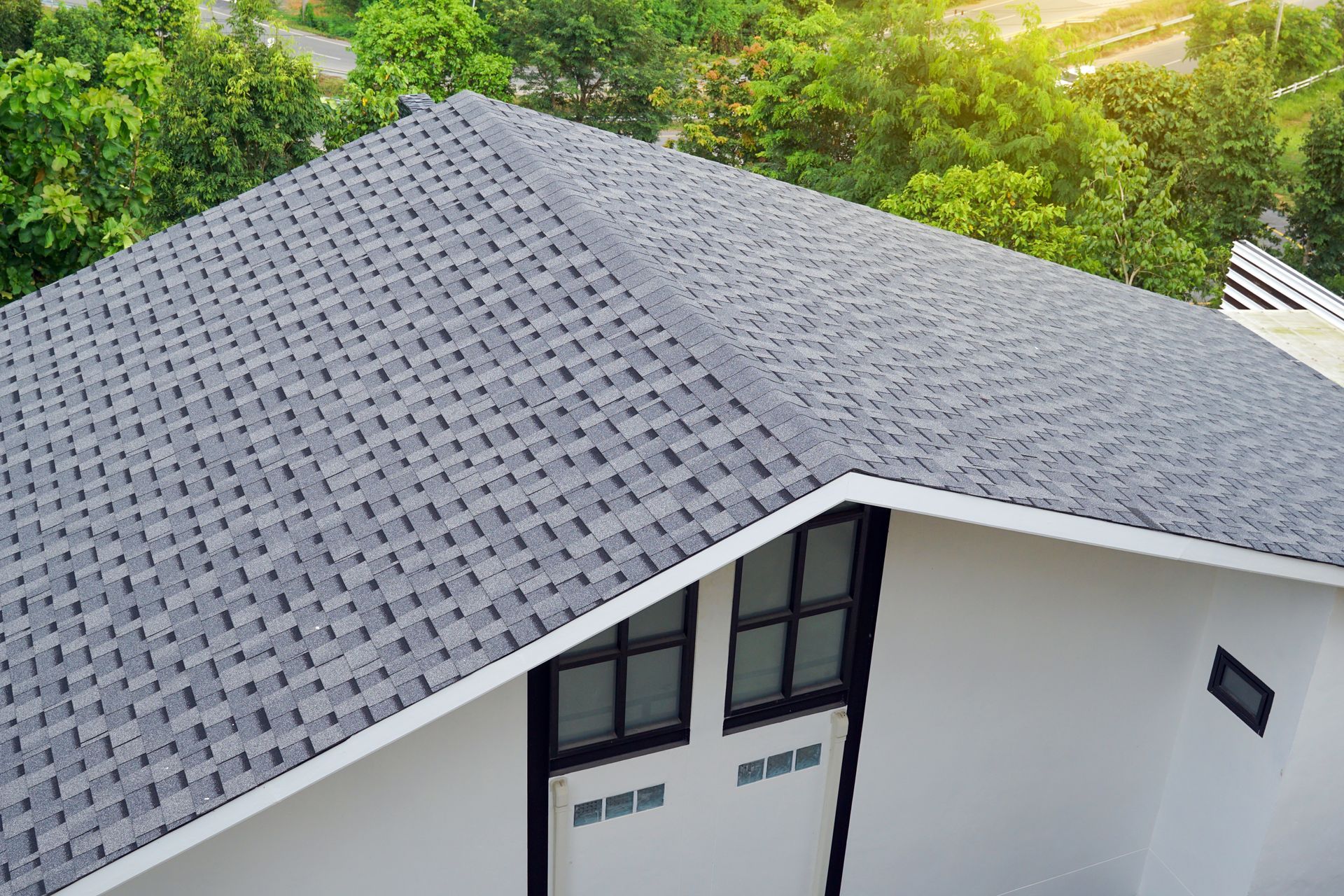
Before new shingles are installed, the decking is inspected for soft spots, sagging, or areas where water has soaked through and weakened the plywood, and those sections are replaced so the new shingles are fastened to a solid surface that will not flex or fail under weight. The underlayment is replaced across the entire roof to create a continuous moisture barrier, and the drip edge and flashing around vents, chimneys, and valleys are installed or replaced so water sheds off the roof rather than running under the shingles.
Once the roof is finished, you notice that water no longer stains the ceilings or walls during rain, the attic stays dry, and the shingles are evenly aligned without gaps or lifted edges. The roof surface is flat without dips or waves, and the flashing around penetrations is sealed and tight so water does not pool or back up at those joints.
The scope typically includes removal of old shingles, replacement of underlayment, installation of new shingles, and replacement of damaged decking, but excludes structural repairs to rafters or trusses unless those are identified during the estimate and added to the written scope.
Questions Before Starting Your Project
Homeowners preparing for roof work often ask about the inspection process and what is included in the replacement.
What should you check once the old shingles are removed?
Look for soft or sagging areas in the decking, dark staining or water marks on the plywood, and any gaps or separated seams where the decking has pulled away from the rafters, because those are signs that the decking needs to be replaced before new shingles are installed.
How is the underlayment installed on a roof?
The underlayment is rolled out horizontally across the decking starting at the eaves and overlapping each course as it moves toward the ridge, and it is stapled or nailed in place to create a continuous moisture barrier that covers the entire roof surface before the shingles are installed.
What happens to the flashing around vents and chimneys during a roof replacement?
The old flashing is removed and replaced with new metal or rubberized material that is sealed to the vent pipe or chimney and overlapped with the shingles so water runs down the roof surface and over the flashing rather than under it.
How does roof condition show up differently in Grapevine or Mansfield homes compared to newer construction?
Older single-story homes in those areas were often built with shallower roof pitches and less attic ventilation, so moisture can build up under the decking over time and cause rot even when the shingles still look intact from the ground.
What do you notice once the roof replacement is complete?
The attic stays dry during rain, the ceilings and walls inside the house no longer show water stains, and the shingles are evenly aligned and sealed without lifted edges or gaps at the seams.
JC Remodeling also handles
roofing in Fort Worth, Grand Prairie, Mansfield, Grapevine, and Euless. Contact JC Remodeling at (214) 541-7755 to schedule a free estimate and confirm the decking condition before the roof is priced.