
Walls Uncovered Before New Material Goes On
Siding installation in Arlington for older brick and frame homes where the old material often hides wall damage or past repairs
Older brick and frame homes in Arlington often have siding that was installed over walls with hidden moisture damage, rot, or repairs that were never finished properly, so the old material is usually removed first and the sheathing checked before new siding is installed. JC Remodeling installs siding on homes in Arlington and nearby cities, and the owner oversees the job himself from removal of the old material through the finished trim, so the person who quotes the work is the one who does it. You work with a contractor who has over twenty years in remodeling and who checks the wall condition before pricing the new siding rather than discovering problems mid-project.
The process starts with a free estimate and an inspection of the walls under the existing siding, because the sheathing and framing need to be sound before new material is fastened. The old siding is removed, the sheathing is checked and repaired if moisture damage or rot is found, then the new siding and trim are installed and the old material is hauled away.
Arrange a free estimate and inspection of the walls under your existing siding to confirm the sheathing condition before new material is priced.
What Happens After Old Siding Is Removed
Once the old siding comes off, the sheathing is inspected for soft spots, staining, or areas where water has wicked up from the ground or down from the roofline, and any damaged sections are cut out and replaced with new material before the siding is installed. House wrap or a moisture barrier is applied over the sheathing, and the new siding is fastened into the studs rather than just the sheathing so it stays tight against the wall.
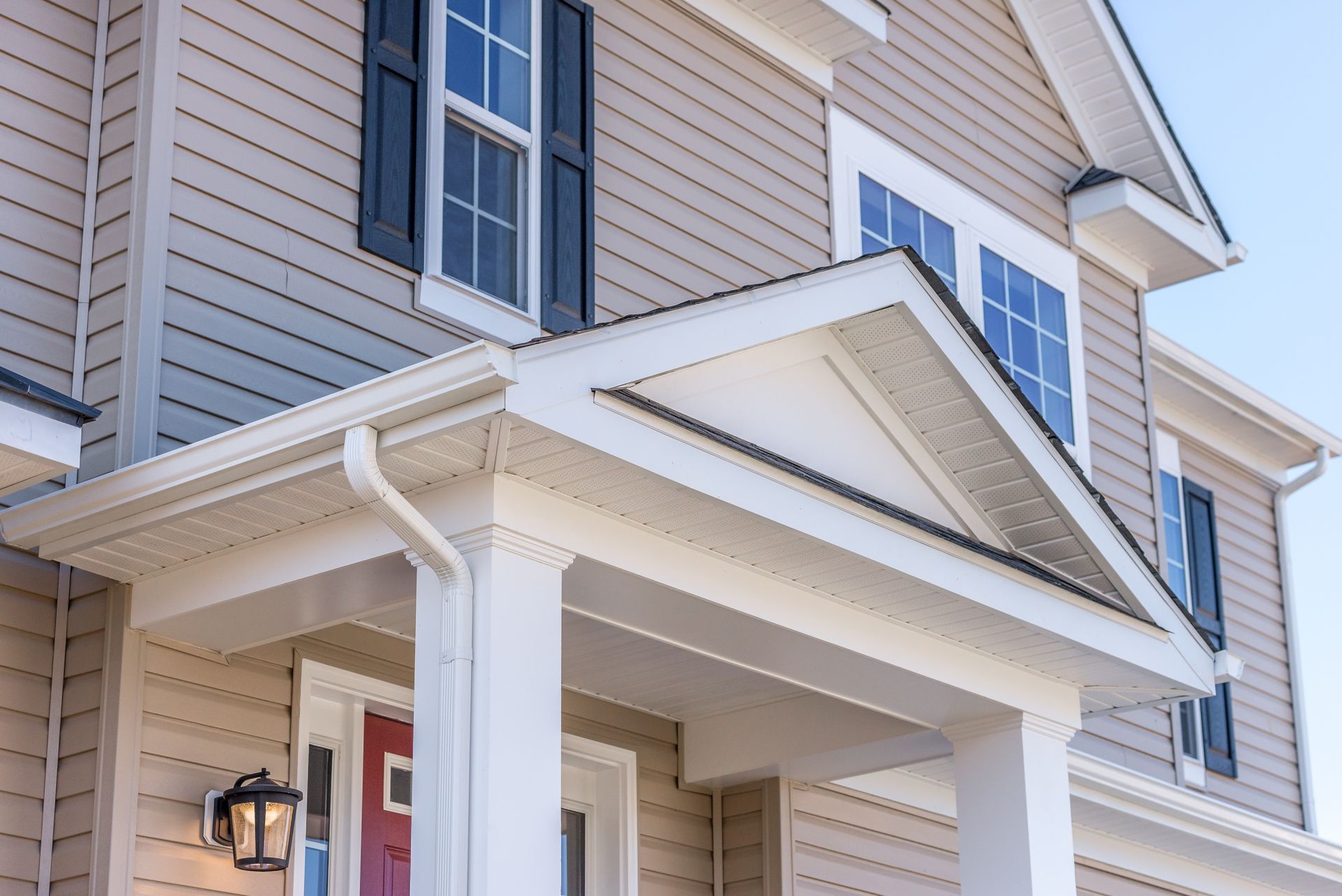
After the siding is installed, you notice that the walls are flat and even without waves or gaps, the trim around windows and doors is tight and caulked so water does not run behind it, and the seams between siding panels or boards are straight and evenly spaced. The exterior looks uniform in color and texture, and there are no soft spots or loose sections when you press against the wall.
Confirm in writing whether the quote includes removal and disposal of the old siding, replacement of damaged sheathing, and installation of house wrap or a moisture barrier, because those are sometimes priced separately depending on what is found during removal.
What Property Owners Ask About the Work
Homeowners in Arlington preparing for siding replacement often ask about the removal process and what happens when damage is found under the old material.
Why is the old siding removed instead of installing new material over it?
Old siding often hides moisture damage, rot, or gaps in the sheathing that need to be repaired before new material is installed, and removing it allows the sheathing to be inspected and replaced where necessary so the new siding is fastened to a solid surface.
What should you look for when the sheathing is exposed?
Check for soft spots, dark staining, or areas where the sheathing has delaminated or pulled away from the studs, because those are signs of moisture damage that need to be cut out and replaced before the new siding is installed.
How is the new siding fastened to the wall?
The siding is nailed or screwed into the wall studs rather than just the sheathing, and the fasteners are driven flush with the surface so they do not create bumps or gaps, and the seams between panels or boards are overlapped or caulked to prevent water from running behind the material.
What do you notice once the siding is finished?
The walls are flat and even without waves or bulges, the trim around windows and doors is caulked and tight, and the color and texture are uniform across the entire exterior without fading or mismatched panels.
How does siding installation differ in neighborhoods like Hurst or North Lake where homes were built in different eras?
Homes built in the 1970s and 80s often have original wood or composite siding that has absorbed moisture over decades, while newer homes may have vinyl or fiber cement that failed prematurely due to poor installation, so the removal and prep work varies based on the original material and how long it has been on the house.
JC Remodeling also
installs siding in Mansfield, Grand Prairie, Fort Worth, Grapevine, and Euless. Reach JC Remodeling at (214) 541-7755 to schedule a free estimate and confirm whether the quote includes old siding removal, sheathing repair, and disposal.